
What Are Magic Mushroom Gummies? Effects, Legality, and Risks Explained
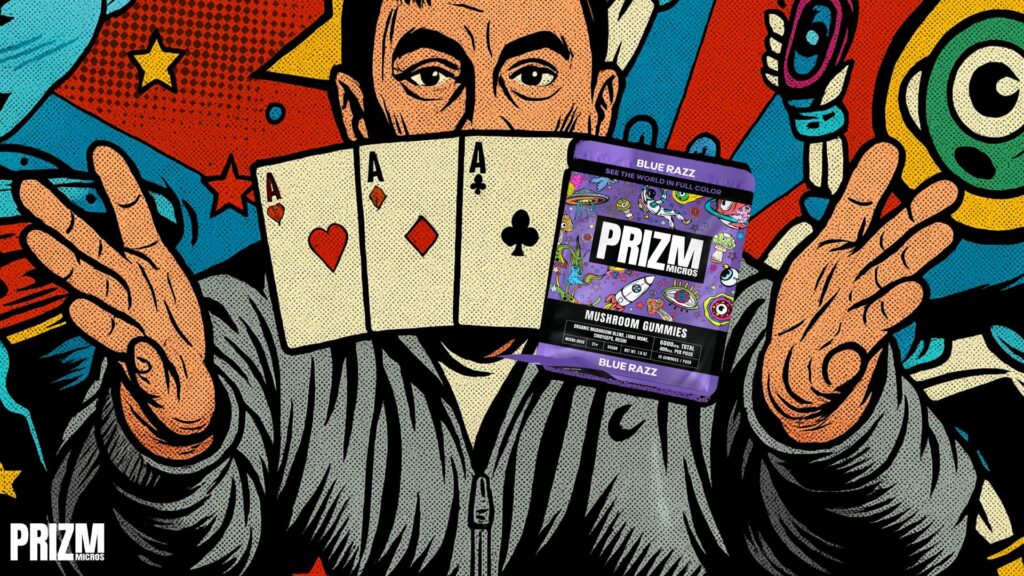
Magic mushroom gummies are edibles infused with psilocybin, a psychedelic compound that causes hallucinations and cognitive shifts. They’re federally illegal, often mislabeled, and carry safety risks. Learn what they are, how they work, and safer legal alternatives like PRIZM. What Are Magic Mushroom Gummies and Why Everyone’s Asking About Them Now You’ve seen them on TikTok, heard whispers at a festival, maybe even spotted a rainbow foil bag at a sketchy smoke shop, “magic mushroom gummies.” The name alone sounds like it came from a stoner fairytale, but here’s the thing: they’re real, they’re everywhere, and they’re not what most people think. As someone who co-founded a legal microdosing brand built around clarity and honesty, I’ve watched this trend explode from all angles, science, regulation, culture, and underground wisdom. And it’s messy. So let’s get into it, for real. Not just the hype. Not just the danger warnings. Not just the wellness-washed clichés. What Are Magic Mushroom Gummies? At their core, magic mushroom gummies are edible products that deliver the psychoactive effects of psilocybin, the compound found in over 200 species of psychedelic mushrooms, most famously Psilocybe cubensis. These gummies contain: Psilocybin, a natural psychedelic compound that converts into psilocin in your body Psilocin, the molecule that actually causes the visual, emotional, and cognitive effects associated with “tripping” Some products also use psilocybin analogs like 4-AcO-DMT or 1P-LSD, chemical cousins that mimic psilocybin’s effects but live in a legal gray zone (and not always safely). They are not the same as legal functional mushroom gummies like Lion’s Mane or Reishi. And they are definitely not the same as Amanita muscaria (muscimol) products. Psilocybin vs. Muscimol vs. Functional: A Quick Breakdown What Do Magic Mushroom Gummies Feel Like? If they’re real and properly dosed, these gummies will produce classic psychedelic effects, including: Visuals (colors, tracers, pattern shifts) Emotional expansion (euphoria, awe, sometimes anxiety) Cognitive changes (deep thinking, time distortion, abstract thoughts) Physical sensations (tingles, body high, yawning) Ego dissolution at higher doses (a sense of merging or detachment from “self”) But here’s the big caveat: effects vary wildly depending on: Your mindset and environment (“set and setting”) Dosage and product purity Individual sensitivity Whether you’re alone, at a party, or in nature “One for chill, two for colors, three for portals” sounds fun, but in reality, without knowing what’s in the gummy, it’s more like rolling dice with your neurons. Onset, Peak, Duration: The Timeline of a Psilocybin Trip Pro tip: Clear your day. These aren’t gummies you pop before brunch and bounce back from by 2 PM. “But They’re Sold in Stores, Aren’t They Legal?” No. Psilocybin and psilocin are Schedule I controlled substances under U.S. federal law, just like heroin or LSD. That means: No accepted medical use (legally speaking) High potential for abuse (according to the DEA) Illegal to possess, sell, or manufacture So, how are they being sold? The Legal Gray Area… That’s Not Actually Gray What’s happening is this: Brands label products as “functional” or “natural” Some include analog tryptamines (like 4-AcO-DMT), not explicitly scheduled, yet Others lie outright, they contain psilocybin but call it a “mushroom blend.” No oversight. No testing. No guarantees. Just sketchy loopholes and wishful thinking. Beyond the Basics: Exploring the Nuances of Magic Mushroom Gummies So, now that we’ve covered the fundamentals, what they are, how they work, and why they’re not the same as Lion’s Mane chews, it’s time to dig into the real conversation. Because here’s the deal: magic mushroom gummies live in the messy middle. Not quite legal. Not totally safe. Not always effective. But somehow still flying off shelves and DMs. This section unpacks the nuance, what people actually do with these gummies, the hidden risks no one talks about, and what makes one gummy “life-changing” while another turns into a panic attack in a hot tub. Microdosing vs. Macrodosing: What’s the Difference? One of the biggest user mistakes is treating psilocybin like caffeine; you don’t “just take one” and hope for the best. Microdosing Amount: 50–250mcg of psilocybin Effects: Sub-perceptual, mood enhancement, increased focus Use Cases: Workdays, creative projects, social anxiety, therapy support Frequency: 1 day on / 2 days off or 4 days on / 3 off (popular protocols) Macrodosing Amount: 1–5mg+ (equivalent to 1–3g dried mushrooms) Effects: Hallucinogenic, introspective, emotional intensity Use Cases: Personal breakthroughs, spiritual exploration, emotional release Frequency: Monthly to once or twice a year (responsibly) Gummies rarely advertise exact psilocybin amounts, so “micro” can become “macro” real quick. Always question dosing claims. Legal Compounds, Analog Psychedelics, and “The Switcheroo” A growing trend: brands using analog tryptamines to skirt laws. These include: 4-AcO-DMT: Often called “synthetic psilocybin,” structurally similar but not federally scheduled 1P-LSD: A prodrug for LSD, often used in blotters,n ot common in gummies but seen 4-HO-MET / 4-HO-MiPT: Research chemicals with unknown long-term safety The problem? Users don’t know what’s actually in the gummy Dosages aren’t verified Effects can vary even more than natural psilocybin Some analogs feel smoother. Others are way more intense. And some come with zero trip, just nausea and regret. Where’s the Lab Test? Oh, Right, Nowhere. Here’s a dirty secret: most mushroom gummy brands have zero third-party testing. That means: You don’t know the dose You don’t know if psilocybin is even present You don’t know if it’s spiked with other drugs (THC, kratom, research chems) That’s not just annoying, it’s dangerous. The best legit brands (legal or underground) provide: QR-coded Certificates of Analysis (COAs) Ingredient breakdowns Batch potency testing No “proprietary blends” BS If the label says “mushroom complex” and nothing else, you’re being scammed. Duration, Onset, and What to Expect from a Gummy Trip Most psilocybin gummies dissolve slower than a mushroom capsule or tea. Why? Because of the sugar, gelatin, and emulsifiers. Don’t redose early; some gummies have a delayed pop effect that can hit hard at the 2-hour mark. Confusing Mushrooms: Amanita vs. Psilocybin vs. “Legal Highs” Let’s break this down. Again. If you’re buying gummies from a gas