
Mushroom Gummies Ingredients: What’s Inside Actually Matters

Not all mushroom gummies are created equal. Some contain proven functional mushrooms like Lion’s Mane and Reishi; others hide vague blends or risky fillers. This guide breaks down exactly what to look for (and avoid) in mushroom gummy ingredients,backed by science, safety, and real user insight. What the Internet Gets Wrong About Mushroom Gummies Ingredients If you’ve searched “mushroom gummies ingredients,” chances are you’re stuck between fluffy product pages, sketchy “review” sites, and ingredient labels that feel more like riddles than guidance. We went deeper. Our team tore through the top 20 Google results and analyzed over 500 Reddit threads to uncover what users actually care about,then cross-referenced everything against brand transparency, user confusion, and FDA red flags. Here’s what we found. The Same Few Mushrooms… Again and Again Most manufactures recycle the same six to eight mushrooms: Lion’s Mane, Reishi, Cordyceps, Chaga, Turkey Tail, Shiitake, and Maitake. While these are functional powerhouses, few explain: What active compounds (like beta-glucans or triterpenes) actually do. How extraction methods (like dual extraction vs. mycelium biomass) change potency. Whether these mushrooms are actually standardized for benefits (hint: most aren’t). What “they” don’t tell you: No Ingredient-by-Ingredient Breakdown Most articles/product descriptions gloss over what each mushroom does. Users want to know exactly what Lion’s Mane or Cordyceps contributes,and why it’s in their gummy. Vague Proprietary Blends = Red Flag Top-ranking content often glosses over the real issue: many gummies hide behind “proprietary blends.” These sound fancy, but without dosage clarity, users are left guessing: “Is this enough to do anything? Or is it just mushroom-flavored candy?” Worse, some blends mix ingredients like niacin or synthetic stimulants without clearly labeling them,leading to real health risks like GI distress or anxiety spikes. Zero Talk of Ingredient Synergy No one’s explaining how ingredients like Reishi + Ashwagandha or Lion’s Mane + L-theanine interact. This is crucial for experienced users optimizing for mood or cognition. Functional vs. Psychoactive: Still Confusing Many articles mention psilocybin or amanita muscaria but don’t clarify their legal status, or warn that some unregulated products might contain them anyway. What they should say (but don’t): Psilocybin is illegal federally in the U.S. a Schedule I substance. Amanita Muscaria is not federally banned, but the FDA has issued warnings. Gummies with “euphoric” or “trippy” claims? Often illegal or misleadingly labeled. No Clarity on “Proprietary Blends” Many sites list “proprietary functional blends” with zero transparency. We’ll call this out and teach users how to decode those black boxes. Zero Talk on Testing or Tolerance Out of 20 articles reviewed, only one even mentioned third-party lab results. None covered: The importance of Certificates of Analysis (COAs) for potency & contaminants. How ingredients might interact with caffeine, SSRIs, or other supplements. What daily users need to know about tolerance build-up or microdosing safety. Lack of Ingredient-Based Use Cases No one tells you which stack is best for focus vs. chill vs. social flow. Our content will build situational recommendations based on ingredient intent. This is where we flip the script. PRIZM is building from the gaps up,offering clarity, legality, and predictable experiences. No sketchy labels. No hidden trips. Just mood-enhancing gummies made with ingredients you can understand, trust, and enjoy. What’s Really Inside Mushroom Gummies? Let’s Break It Down The Mushrooms That Matter Not all “mushroom gummies” are created equal. And no,it’s not just about shoving Lion’s Mane into a sugar cube. Here’s what you’ll actually find in legit, functional formulas: Lion’s Mane (Hericium erinaceus) Why it’s used: Known for cognitive clarity, memory support, and neurogenesis potential. Active compounds: Erinacines, hericenones (stimulate NGF,nerve growth factor). What to look for: Hot water or dual extract with stated beta-glucan %. Reishi (Ganoderma lucidum) Why it’s used: Stress modulation, immune support, sleep quality. Active compounds: Triterpenes, polysaccharides. Watch out: Overuse can cause grogginess; needs clear dosing. Cordyceps (Cordyceps militaris or sinensis) Why it’s used: Energy, stamina, respiratory support. Active compounds: Cordycepin, adenosine. Note: Some brands cut with caffeine,look for clean versions. Chaga, Turkey Tail, Shiitake, Tremella, Maitake These are used for antioxidant support, immune health, skin hydration, or general wellness,but rarely in significant enough doses. Red flag: If these are part of a “proprietary blend,” odds are you’re not getting enough to matter. Other “Active” Additions: Not Always Mushrooms Many gummies add functional boosters, which can be helpful,if they’re disclosed and dosed right: L-theanine: Smooths energy, reduces anxiety. Rhodiola, Ashwagandha: Stress modulation. Ginseng, GABA: Mental clarity, relaxation. Niacin (B3): Sometimes added to simulate “tingling”,can cause flushing and discomfort. CBD/THC: Only found in legally regulated states,must be clearly labeled. User Insight: “I had no idea niacin caused that weird flush,I thought I was having a reaction.” The Gummy Base: What You’re Actually Eating Sweeteners Common: Cane sugar, tapioca syrup. Alternatives: Erythritol, monk fruit, stevia (for low-glycemic). Warning: Sugar-heavy gummies = blood sugar spikes, crash risk. Gelling Agents Pectin (plant-based) = Vegan, melt-resistant, preferred. Gelatin (animal-based) = Cheaper, heat-sensitive. Flavor & Color Best case: Natural fruit flavoring, beet juice or spirulina coloring. Worst case: Artificial dyes like Red #40, synthetic flavors. User Worry: “I bought these for wellness, not artificial junk. Why do they taste like Jolly Ranchers?” Understanding Ingredient Labels: What’s Legit vs. Sketchy Green Flags Specific mushroom names (e.g., Hericium erinaceus). Extraction method listed (e.g., “dual extract”). Standardization (% beta-glucans, cordycepin, etc.). Doses in mg per gummy (not just per container). Certificates of Analysis (COAs) visible on product page. Red Flags “Proprietary blend” with no mg breakdown. “Mushroom extract” with no species or active compound info. Vague claims like “psychedelic effect” with no listed tryptamines or psychoactives. No testing data, no legal disclaimers, no allergen info. Psychoactive Confusion: Psilocybin & Amanita ≠ Functional Mushrooms Some mushroom gummies claim they’re legal, functional, and safe,but hint at “trippy” effects. Here’s what that often really means: Psilocybin Illegal federally, except in Oregon/Colorado under therapy laws. Often not listed on sketchy products, but present. If it’s labeled “shroom gummy” and sold online,it’s
Proprietary Mushroom Blends: What to Know Before You Dose

What is a proprietary mushroom blend? A proprietary mushroom blend is a supplement formula that lists multiple mushrooms as a combined weight without disclosing individual amounts. It can offer functional synergy,but also raises questions about transparency, dosing, and trust. What’s Really in That Proprietary Mushroom Blend? You’ve seen it on the label: “Proprietary Mushroom Blend – 400mg” No breakdown. No doses. Just a mystery pile of fungi behind a shiny brand name. So… what are you actually putting in your body? That’s what this article is here to answer. No hype. No fearmongering. Just clarity. Because if you’re reading this, you’re probably wondering: Is this stuff legit? Why won’t they tell me what’s inside? Am I getting enough of the good stuff,or just pixie dust? Let’s unpack the whole thing. Legally. Biologically. Practically. So you can make smarter choices, avoid scams, and maybe even find a blend that works with your brain,not against it. Why Proprietary Mushroom Blends Exist (And Why They Frustrate People) Here’s the deal: supplement companies are allowed (by law) to group multiple ingredients into a single line item called a proprietary blend. The total weight must be disclosed, but not the amount of each ingredient. Why brands use them: Protecting trade secrets or custom formulas Preventing competitors from copying stacks Combining synergistic ingredients in novel ways Why consumers hate them: No transparency = no way to verify doses Suspicions of “label fluffing” (aka fairy dusting) Harder to research or cross-reference safety If you care about what goes in your body (and you should), this system is basically: “trust us, it works.” That’s not good enough. So… Are These Blends Actually Safe? The answer depends on who made it and how much they’re willing to share. Risk factors to watch for: No Certificates of Analysis (COAs) or third-party testing Mushrooms listed generically (e.g., “mushroom extract” with no species) Lack of clarity on active compound content (like beta-glucans or tryptamines) Trust signals to look for: Total blend weight clearly labeled Specific mushroom species listed (e.g., Lion’s Mane, not just “cognitive blend”) Lab testing visible or available on request Functional dose ranges (not micrograms hiding under 500mg of filler) Bottom line: proprietary ≠ shady,but opaque and lazy labeling is a red flag. What Does a Good Proprietary Mushroom Blend Look Like? Let’s say you’re open to trying one. What should you look for? Here’s a quick checklist: Specific mushroom strains (e.g., Hericium erinaceus, Ganoderma lucidum) Known use-case categories (focus, immune, mood) Clean delivery (pectin-based gummies > gelatin pills) Transparent testing (COA available before purchase) Functional feedback (users describing how it made them feel, not just “felt cool”) PRIZM’s proprietary blend hits this balance by stacking Lion’s Mane, Cordyceps, Reishi, and a legal tryptamine analog, all lab-verified, low-dose, and designed for daily clarity. No surprises. No guesswork. The Science and Strategy Behind Proprietary Mushroom Blends So now that we know what a proprietary blend is, let’s talk about what it’s meant to do, and what actually makes one work. Because some blends are genius. Others are straight-up window dressing. Let’s decode the difference. Why Blend Mushrooms at All? Mushrooms aren’t just superfoods, they’re systems. Each species offers distinct compounds that interact with your body in unique ways. Done right, a blend is a stack that: Supports brain function (Lion’s Mane) Regulates stress (Reishi) Enhances stamina (Cordyceps) Boosts immunity (Chaga, Turkey Tail) But only if each one is present in functional amounts. That’s the catch with many proprietary blends: they list the stars, but hide how much of each you’re actually getting. The Synergy Story (And When It’s Marketing B.S.) Some companies say their blends are “synergistic,” but don’t explain how. Here’s what true synergy looks like: Lion’s Mane + Cordyceps = Clarity + sustained energy → Perfect for flow state without jittery caffeine vibes Reishi + Tryptamines = Smoothened onset, reduced anxiety → Great for emotional openness without spiraling Turkey Tail + Chaga = Gut-friendly support for absorption → Helps avoid the “shroom burps” or digestive crash That’s what PRIZM does. Our blend isn’t random. It’s built for predictability, so one gummy helps you focus, not fold. “Why Did This Hit Me Like Weed?” (User Variability Explained) Not everyone reacts the same. And proprietary blends amplify this mystery. Here’s why: Bodyweight and metabolism change how fast actives hit Liver enzymes (like CYP450) can speed up or slow down effects Stacking with caffeine or CBD? You just made a new blend Some users feel floaty after 1 gummy. Others need 2–3 to break through mental fog. That doesn’t make it fake,it just means you need your own protocol. We’ll help with that in the next section. Onset, Duration, and “Why Did It Kick In 90 Minutes Later?” One of the most frustrating parts of mushroom blends is timing. Here’s the usual range: Onset: 30–90 minutes Peak: 1.5 to 3 hours Duration: 4–6 hours (most taper gently, no hard crash) But variables matter: Empty stomach = faster onset Reishi-heavy blends = more mellow, delayed feel Gelatin vs. pectin = slower vs. faster release PRIZM uses pectin-based gummies for faster, more consistent onset,and we pre-extract the actives, so you don’t rely on digestion alone. Do Proprietary Blends Build Tolerance? Short answer: yes, eventually, but slower than weed or caffeine. That’s why many users adopt a cycle: 5 days on, 2 off → Keeps sensitivity up “Gummy budget” mindset → 2 max per session Stack variation → Lion’s Mane days vs. Reishi days With PRIZM, we encourage smart cycling and real-time feedback loops. Because microdosing isn’t about always doing more,it’s about doing it right. Proprietary Doesn’t Have to Mean Mysterious,If You Do It Right Let’s be real: most proprietary blends feel like a gamble. You don’t know what you’re getting, how much of it, or whether it’ll hit or flop. But what if a blend told you everything you needed to know,without giving away its secret sauce? That’s what we built PRIZM to do. And here’s how we’re flipping the script. “Why
Mushroom Microdose Gummies: Safe, Legal, and Effective
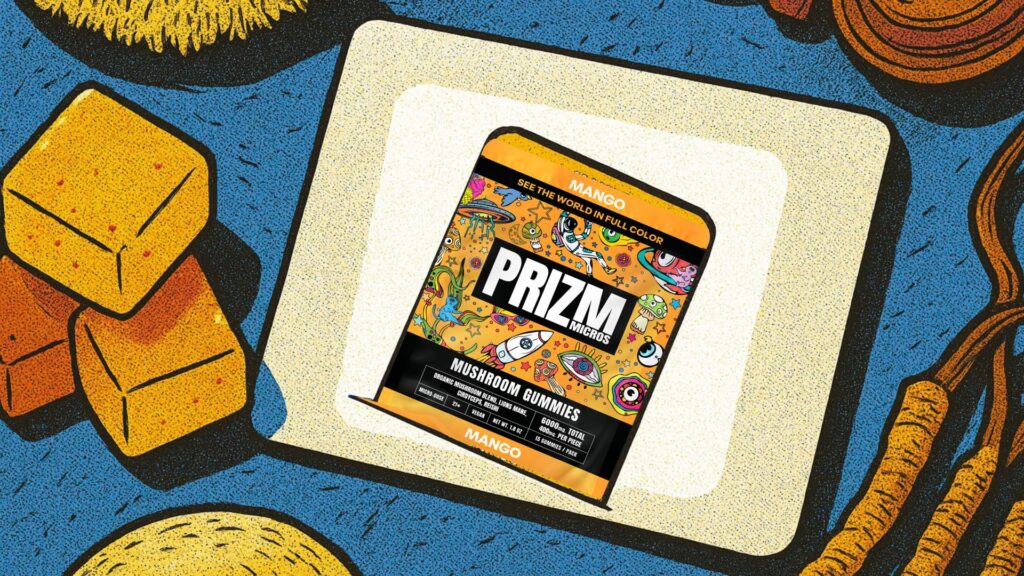
Mushroom microdose gummies offer clarity, focus, and mood support, without hallucinations. Learn the key differences between psilocybin, Amanita, and legal functional stacks like PRIZM. Get dosage tips, legal insights, and find the safest way to microdose daily. What Are Mushroom Microdose Gummies? You’ve probably heard the buzz, microdosing mushrooms for focus, creativity, or emotional clarity. But the second those words turn into “gummies,” the waters get murky. What’s in them? Are they legal? Do they actually work,or are they just glorified vitamins in trippy packaging? Let’s break it all down,legally, scientifically, and without the fluff. First, What Is Microdosing? Microdosing means taking a sub-perceptual amount of a compound, just enough to nudge your mood, sharpen your mind, or smooth your social edges. You’re not tripping. You’re not seeing sounds. You’re just… subtly better. For mushroom microdose gummies, that “compound” might be: Psilocybin (illegal in most states) Muscimol from Amanita muscaria (legal but unpredictable) Functional mushrooms + legal tryptamines (legal and clarity-focused, like PRIZM) The Three Mushroom Gummy Categories, And Why It Matters Not all mushroom microdose gummies are made equal, or legal. Here’s the breakdown: 1. Psilocybin Gummies Contain a Schedule I controlled substance (illegal federally) Used for mood shifts, depression, deep introspection Available only in regulated therapy or underground markets Not legal for sale or personal use in most of the U.S. 2. Amanita Muscaria Gummies Contain muscimol, not psilocybin Effects are sedative, dreamlike,not classic psychedelia Federally legal, but state laws vary Legal gray area + unpredictable effects = not beginner-friendly 3. Functional Mushroom + Legal Tryptamine Gummies Use ingredients like Lion’s Mane, Cordyceps, Reishi May include legal tryptamines that mimic serotonin activity Designed for daily use, clarity, social ease ✅ 100% legal when made without scheduled substances (like PRIZM) Wait, So Are These Legal or Not? Here’s the truth no brand will plainly tell you: Psilocybin = illegal federally, even if “decriminalized” locally Amanita = legal-ish, but flagged in some states + not FDA-reviewed Functional blends (like PRIZM) = legal nationwide, when compliant Pro Tip: If a product doesn’t list exact ingredients and testing data, skip it. Even if the vibe is cool. What’s Actually in a Legal Microdose Gummy? If it’s from a legit brand (read: PRIZM, not a sketchy Etsy store), you’ll usually see: Lion’s Mane: supports memory, neuroplasticity, mood Cordyceps: boosts energy, stamina, mental endurance Reishi: helps with stress and regulation Legal tryptamines: subtly boost serotonin without the trip L-theanine or GABA: balance for overstimulation These ingredients don’t get you “high.” They get you in flow. How Long Do They Take to Work,and How Long Do They Last? Let’s get specific (finally, right?): “I didn’t feel high,I just stopped overthinking.” That’s how a real PRIZM user described it. That’s the goal. TL;DR: Why This Matters Most people googling “mushroom microdose gummies” want the benefits, not the legal risk. Functional mushroom blends with legal tryptamines are the safest, cleanest route. You don’t need to see colors to get clarity. And you definitely don’t need a felony to feel better. The Science, Stacking, and Subtlety of Microdosing Mushroom Gummies The “feel” of a legit microdose isn’t about euphoria, it’s about alignment. But people want to know: what’s actually going on under the hood? The Real Mechanisms: Lion’s Mane: Promotes NGF (nerve growth factor), which may support neuroplasticity and learning Cordyceps: Enhances ATP production, increasing cellular energy and mental stamina Reishi: Modulates the stress response via the HPA axis, helps smooth emotional reactivity Legal Tryptamines (e.g., 5-HTP precursors): Nudge serotonin gently, without spikes or hallucinations None of this gets you “blasted.” But for focus, mood, and openness? Game-changing. Can You Stack These with Caffeine, Meds, or Other Supplements? Short answer: Yes,but with caution. PRIZM Tip: If you’re mixing, go low and slow. You’re not building a nootropic cocktail,you’re building presence. Should You Take Mushroom Gummies Every Day? This one gets asked constantly. The truth? Common protocols: 1 day on, 2 days off (the James Fadiman method) 4 days on, 3 days off (popular in biohacker circles) PRIZM-style flow: dose based on intention, one for focus, two for flow, three if you’re feeling bold Why pause days matter: Prevents tolerance Maintains effectiveness Gives your nervous system breathing room What Does It Feel Like? How Will I Know It’s Working? This is where people get tripped up. It’s subtle, but real. Common Effects (15–45 mins after dosing): Fewer tabs open in your brain Sharper language recall and idea flow Smoother emotional regulation Easier social engagement (without the “performing” pressure) Sometimes: a gentle body buzz or warmth (esp. with Cordyceps) Not happening? Try a different dose Dose with food Use a product with real lab-tested tryptamines How Long Do the Effects Last? Functional stacks (like PRIZM): Onset: 15–30 min Peak: ~1 hour Fade: ~3–4 hours total You won’t “crash,” you’ll just realize you’re back in your baseline, minus the overthinking. What Makes One Mushroom Microdose Gummy Actually Worth It? You’ve seen the ads. You’ve read the vague wellness claims. But the truth is, most mushroom microdose gummies are built like supplements, not systems. At PRIZM, we built ours like a vibe. Here’s what no one else is telling you, and why that matters. Not All Mushrooms Belong in the Same Gummy Ever wonder why one gummy makes you want to journal and the next puts you to sleep? Because Reishi ≠ Lion’s Mane ≠ Cordyceps. Lion’s Mane → Cognitive lift, verbal fluidity, focus Reishi → Nervous system chill, best for wind-down or recovery Cordyceps → Athletic energy, daytime drive Chaga/Turkey Tail → Immune modulation, but no mood boost PRIZM stacks purposefully: “One for focus, two for flow, three if you’re feeling bold.” That’s not marketing,that’s real biochemical synergy. Is This Just a Placebo?” Here’s How to Know It’s the #1 skeptic blocker: “These cost $60. What if I feel nothing?” Truth: You won’t always “feel” the effect like caffeine or THC. But here’s how to tell it’s working: You’re more responsive than reactive Your
Are Smoke Shop Mushroom Gummies Safe? Read This First

Not all mushroom gummies are created equal, especially the ones sold in smoke shops. Many contain undisclosed or illegal substances like psilocybin or synthetic tryptamines. This guide breaks down what to avoid, how to read labels, and safer legal options that still deliver clarity and calm. What’s Really Inside Mushroom Gummies at Smoke Shops? Read This Before You Pop One I’ve been in the plant medicine game a long time, long enough to remember when psilocybin was a whisper, not a marketing gimmick. So when I saw a tray of “mushroom gummies” behind the glass at a random smoke shop, my gut said: this is gonna be a problem. We’ve officially reached the era of “psychedelic convenience,” where you can buy something with a mushroom on the label next to vape cartridges and kratom shots. But here’s the catch: Not all mushroom gummies are what they say they are. And not all of them are safe. The Problem No One’s Talking About Search “mushroom gummies smoke shop” and you’ll see a mix of Reddit threads, sketchy affiliate blogs, and a few health sites that barely scratch the surface. None of them tell you what you actually need to know: Are these legal? Are they functional, psychedelic, or synthetic? What happens if I take one and it hits wrong? Why are they sold in smoke shops and not Whole Foods? Will I fail a drug test? These aren’t hypothetical questions. They’re real fears from real people who’ve gotten burned, sometimes literally, from mislabeled gummies that promised “mild elevation” and delivered a full-on meltdown. Not All Mushroom Gummies Are the Same: A Breakdown of What’s Really Inside Functional Mushrooms (The Good Stuff) Let’s start with the legal and legit side of things, functional mushrooms. These are non-psychoactive, health-promoting fungi that have been used in Eastern medicine for centuries. Think Lion’s Mane for brain fog, Reishi for stress, and Cordyceps for energy. They’re legal in all 50 states and generally regarded as safe. Lion’s Mane (Hericium erinaceus): Known for cognitive clarity, memory, and nerve regeneration support. A favorite for workdays or creative sprints. Reishi (Ganoderma lucidum): Often used to promote relaxation, reduce anxiety, and support immune health. Think of it as the chill-out mushroom. Cordyceps (Cordyceps militaris): Natural energy booster without the jitters,great for stamina and athletic performance. Chaga, Shiitake, Maitake, Turkey Tail, Tremella: Each with their own perks,from anti-inflammatory properties to skin hydration. Most reputable brands,PRIZM included,use precisely dosed extracts of these mushrooms with clear labeling, lab testing, and no psychoactive effects. That’s what makes them legal, predictable, and perfect for daily use. Psychoactive Mushrooms (The Risky Stuff) Here’s where things get dicey. Some mushroom gummies sold at smoke shops contain psychoactive ingredients, either explicitly or through shady, undisclosed blends. Psilocybin (Magic Mushrooms): Federally illegal. Yes, they’re natural, but they’re Schedule I controlled substances and should never be in gummies sold over the counter. If a product “feels like a trip” but doesn’t list psilocybin, that’s a huge red flag. Amanita Muscaria (Red Cap Mushroom): Legal in some states, but still psychoactive. Contains muscimol and ibotenic acid,compounds known to cause deliriant effects (confusion, nausea, blackouts). Often misrepresented as “gentle” or “spiritual.” Spoiler: they’re not. These are the kinds of products that have triggered FDA warnings and Poison Control alerts. If the label’s vague, or the gummy’s being sold next to Delta-8 carts, it’s probably not just Lion’s Mane. Synthetic Compounds & Designer Drugs Some brands push the envelope even further with lab-made analogs, compounds that mimic psychedelics but live in murky legal zones. They go by names like “4-AcO-DMT” or “mystic blend.” Often marked as “legal psychedelics” but are not FDA-regulated, and their safety profiles are unknown. Many are sold in proprietary blends, so users don’t even know what they’re ingesting. Bottom line? If a product isn’t transparent about what’s in it, you have no idea how it’ll affect you,or if it’s even legal. The Hidden Dangers of Smoke Shop Mushroom Gummies Smoke shops sell a little bit of everything. Vapes. Kratom. CBD. Novelty lighters shaped like mini AK-47s. And now? Mushroom gummies. But let’s be honest: this is not where you should be getting your brain food. Here’s why. 1. The Legality Confusion Is Real Just because something is sold legally doesn’t mean it’s legal to possess,especially when the product contains undisclosed psychoactives. Psilocybin is still a Schedule I drug federally. Amanita muscaria is not scheduled, but that doesn’t make it safe or legal to consume in every state. Tryptamine derivatives and designer compounds may be legal until they’re not,federal crackdowns can happen overnight. If you get pulled over with a mystery gummy from a smoke shop and the label doesn’t list ingredients clearly? That’s on you. 2. What’s Actually in the Gummy? No One Knows. The most dangerous thing about these products is what’s not disclosed: “Enchanted blend,” “mystic mushroom extract,” and “euphoria formula” are marketing gibberish, not science. QR code lab tests? Often fake, expired, or not batch-specific. Some gummies have tested positive for psilocybin, muscarine, synthetic cannabinoids, or even prescription drugs,none of which were listed on the packaging. Real talk: you might be chewing on a cocktail of legal loopholes and lab mistakes. 3. Bad Trips, Gut Bombs, and Emergency Room Visits We’ve seen the stories: Nausea, dizziness, and vomiting from Amanita-based gummies. Full-blown panic attacks from mislabeled psychoactive products. ER visits because someone “just wanted to relax after work.” These aren’t side effects,they’re design flaws from brands that prioritize shock factor over safety. 4. No Dosing Consistency = No Predictability Imagine taking one gummy and feeling nothing. Then taking another… and suddenly spiraling. Most smoke shop products don’t list active milligrams. No breakdown of onset time, peak, or comedown. No stacking guidance,just “take one and vibe.” Without standardized dosing, every chew is a gamble. 5. The Labels Are Designed to Confuse You Ever notice how smoke shop gummies say everything except what matters? They’ll promise: “Psychedelic experience” “Mood elevation”
What Do Cordyceps Mushrooms Do? Benefits, Effects & Uses

Cordyceps mushrooms are known for boosting cellular energy, improving oxygen use, and modulating the immune system. Users report better stamina, mental clarity, and resilience with daily use. They’re legal, non-psychedelic, and often stacked with nootropics for greater effect. What Do Cordyceps Mushrooms Actually Do? Here’s the Real Answer Let’s cut through the hype. You’ve seen cordyceps in wellness shots, mushroom gummies, maybe even in that overpriced adaptogen latte downtown. They’re everywhere. But no one’s really telling you what they do, just vague promises of “energy” and “performance.” If you’re here, you’re asking the smarter question: “What’s happening in my body when I take cordyceps? Does it actually work? And is it safe to use daily?” This article answers all of that, and more. We’ll break down: How cordyceps affect your body (and brain) The science behind their benefits (and the gaps) What real users experience (not just lab rats or ad copy) How to tell if a cordyceps product is worth your time (and money) No fluff. No sketchy health claims. Just clarity, rooted in science and real-world experience. Because if you’re considering something for your energy, focus, or mood, you deserve to know exactly what you’re getting into. What to Expect in This Article We’ll walk you through the full picture: Section 1: What cordyceps are, how they work, and what makes them special Section 2: What science (and real users) say about how they feel Section 3: What most articles miss (and why that matters) Section 4: How to actually use cordyceps safely and effectively Section 5: What could go wrong, and how to avoid it By the end, you’ll know exactly what cordyceps mushrooms do, and whether they’re right for you. Ready to dive in? What Do Cordyceps Mushrooms Actually Do in the Body? Cordyceps mushrooms are best known as natural energy boosters, but that’s barely scratching the surface. These fungi work at the cellular level, especially in how your body produces and uses energy. Let’s break down the core science and real-life applications. The Basics: What Are Cordyceps? Cordyceps is a genus of parasitic fungi, most commonly used in supplements as Cordyceps militaris or Cordyceps sinensis. Cordyceps militaris: Lab-grown, widely studied, high in active compound cordycepin. Cordyceps sinensis: Wild-harvested (often from high-altitude caterpillars), rare and expensive. Both varieties have been used in Traditional Chinese Medicine (TCM) for centuries to promote vitality, stamina, and lung health. Cellular Energy Enhancement (ATP Production) Cordyceps may increase production of adenosine triphosphate (ATP), your body’s energy currency. In studies, cordyceps has shown potential to: Boost mitochondrial efficiency Support aerobic capacity (especially during exercise) Delay fatigue onset Translation? You may feel like you have more in the tank, especially during physical activity or mentally draining tasks. This is why cordyceps often shows up in pre-workouts and nootropic stacks. Respiratory Support and Oxygen Utilization Cordyceps has been shown to improve VO₂ max and oxygen uptake in some studies. That’s why many people take them for: Endurance sports Altitude adaptation Chronic fatigue or breathlessness Mechanism: Cordycepin may dilate airways and improve blood oxygen levels. But human trials are limited,so don’t toss your inhaler just yet. Immune Modulation (Not Just “Boosting”) Cordyceps doesn’t just “boost” immunity,it regulates it. That means: Activating natural killer (NK) cells Enhancing macrophage activity Modulating cytokine production (which affects inflammation) Think of it as intelligent support,amplifying defenses when needed, dialing down overreactions. Important for people with autoimmune issues,talk to a doctor before diving in. Neurological Benefits & Mood Impact Cordyceps may support: Neuroprotection (via antioxidant pathways) Mood stability (via cortisol regulation) Focus and mental clarity (when stacked with Lion’s Mane or L-Theanine) But don’t expect a psychedelic ride, it’s more subtle. Like clearing mental fog after a good night’s sleep. Anti-Aging & Hormonal Support (Emerging Evidence) Early research shows promise for: Testosterone support (via Leydig cell stimulation) Improved insulin sensitivity Reduced oxidative stress in organs While animal and in vitro data are compelling, we still need more human studies to confirm. Quick Summary: What Cordyceps Do (According to Science) How Cordyceps Really Work, And When They Don’t So far we’ve talked about what cordyceps can do. But let’s go deeper,into what makes them effective, what influences how they hit, and when you might not feel much at all. Because while cordyceps are powerful, they’re not magic. Context matters. Do You Feel Cordyceps Immediately? Short answer: rarely. They’re not stimulants like caffeine. Cordyceps operate more like adaptogens,supporting systems over time. But some users report: Subtle lift in endurance or stamina Less midday brain fog Quicker post-exercise recovery If you’re expecting a “rush,” you’ll likely be disappointed. If you’re looking for sustained better, cordyceps might deliver. User Quote (Paraphrased): “Didn’t feel much at first,then realized I wasn’t crashing at 3PM anymore. That was the signal.” Do They Work Better When Stacked? Absolutely. In fact, most nootropic or microdosing blends don’t rely on cordyceps alone. Smart stacks pair cordyceps with: Lion’s Mane (neurogenesis + clarity) Reishi (anxiety modulation) L-Theanine (calm focus) Low-dose tryptamines (emotional openness, flow state) “One for focus, two for flow” only works when each component is dosed right. Cordyceps adds the stamina layer,think mental gas tank extender. Militaris vs. Sinensis, Does It Matter? Yes. Cordyceps militaris (what most legal products use) is lab-grown, more sustainable, and standardized. Cordyceps sinensis is wild-harvested, often mislabeled, and: More expensive Harder to source ethically Questionable in potency Militaris = better for consistency Sinensis = better for flexing in ancient medicine debates How Long Before Cordyceps “Kick In”? Most users report: First dose = little to no effect Day 3–5 = increased stamina, clearer mornings Week 2+ = sustained clarity, mood resilience If nothing’s happening by week 2, check: Your dosage (most use too little) Whether you’re taking it with food (best absorbed with fat) Whether it’s paired with fast-acting compounds (tryptamines, caffeine, theanine) When Cordyceps Don’t Work, and Why Cordyceps may underperform if: You’re extremely stressed (they’re adaptogenic, not pharmaceutical) You’re
Best Mushroom Gummies for Music Festivals (Legal, Safe, Smart)

Not all mushroom gummies are safe for festivals. Some contain illegal or unpredictable ingredients. This guide breaks down the safest legal options, like functional mushroom blends,for enhanced energy, clarity, and calm. Learn when to dose, how much to take, and what to avoid. Mushroom Gummies at Festivals- What You Really Need to Know What Are Mushroom Gummies, and Why Are They All Over the Festival Scene? Mushroom gummies are chewy supplements infused with mushroom-derived compounds. But here’s the thing: not all mushroom gummies are created equal, and not all are legal, safe, or smart for festivals. Some are packed with functional mushrooms like Lion’s Mane and Cordyceps, designed for clarity, energy, and connection. Others sneak in psychoactive or gray-market ingredients (like psilocybin or muscimol from Amanita) that can mess with your mind and your weekend. So if you’re googling “mushroom gummy for music festival” because you’re chasing elevation, not anxiety, this guide is built for you. First: The Non-Negotiable Disclaimer Before we even think about vibes, here’s the straight-up truth: Most mushroom gummies that contain psilocybin or Amanita muscaria are illegal in many states, and can get you kicked out or arrested at a music festival. Let’s break that down: Psilocybin is still federally classified as a Schedule I substance. Even in decriminalized cities, it’s not legal to carry into most events or cross state lines. Amanita muscaria? Still legal in some states, but increasingly under FDA scrutiny due to health risks like seizures, confusion, and toxicity. Festival security doesn’t care if your baggie looks artisanal. If it looks suspicious or is mislabeled, you’re not getting in. Bottom line: If it doesn’t come with a full ingredient list, third-party lab test, and legal clarity, leave it at home. Functional Mushrooms: The Legal (and Legit) Festival Alternative This is where things get interesting. Not all mushroom gummies are about “tripping.” Some are about tuning in, with clarity, calm, and stamina to actually enjoy the music, not melt under the sun. Here are the functional mushrooms making the biggest waves in the scene: Lion’s Mane: Enhances focus, mood, and memory. Ideal for daytime sets or navigating big crowds without feeling scattered. Cordyceps: Known for supporting energy and endurance. Dance floor fuel. Reishi: Calming, grounding, perfect for decompressing at camp or easing post-set jitters. Chaga & Turkey Tail: Immunity support for when you’re shoulder-to-shoulder with 40,000 strangers. These aren’t just “health foods.” When stacked properly, they help you feel alive, alert, and socially open, without risking your record or your vibe. Why You Can’t Treat All Gummies the Same Here’s the deal no one else is saying: Just because it says “mushroom gummy” doesn’t mean it’s safe for festivals. What to watch out for: Vague ingredient lists (“psychedelic blend,” “shamanic extract”) No lab testing or Certificate of Analysis (COA) Sold in gas stations, smoke shops, or shady online stores Gummies that melt, leak, or have no clear dosage markers Overhyped brands with zero customer transparency Especially at a music festival, where you’re often dehydrated, overstimulated, and far from help, you need predictability, not surprises. How to Use Mushroom Gummies Safely at a Music Festival So you’re not here for ego death. You’re here for vibes, clarity, stamina, maybe a little social sparkle. That’s where functional mushroom gummies shine, if you know how to use them right. Here’s your field-tested, crowd-proof guide. When’s the Best Time to Take a Mushroom Gummy at a Festival? Timing isn’t just about effects, it’s about context. The wrong moment (e.g., during a bathroom line or security check) can flip the vibe fast. Festival-tested timeline: Morning (10am–12pm): Cordyceps + Lion’s Mane = energy without chaos. Great for yoga, early crowds, or work shifts. Afternoon (1–4pm): Add Reishi or calming stacks to buffer overstimulation. Sunset (6–8pm): Best window for “peak with the sky.” Mild mood stacks shine here. Late-night (9pm–2am): Microdose or nothing. This is where overstimulation and confusion spike. Less is more. Pro tip: Always test your product before the fest, home trial only. Nothing new under lasers. Should I Eat Before Dosing? Yes. Always. Empty stomach = faster absorption = potential overwhelm. Best practices: Light, fatty meal 30–45 min before (e.g., avocado toast, protein bar) Avoid heavy junk,gut distress kills the vibe Stay hydrated (with electrolytes, not just water) “Don’t dose on an empty stomach in 90° heat. Learned that the hard way.” , someone who missed Disclosure’s entire set. Can I Redose If I Don’t Feel It? Only if you know the onset time for that product. Functional gummies usually take 30–90 minutes to hit, longer if you’ve been sweating, dancing, or eating erratically. Rule of thumb: Wait 2 hours minimum before adding more. Still nothing? It’s either bunk or the environment’s dulling the effect. Never “chase the peak.” It leads to crashes, confusion, or overcorrection. What If I’m Mixing With Other Stuff? Stacking happens. Let’s be real. Here’s what to know: Alcohol + mushrooms = gut roulette. Skip the beer if you want clarity. Weed + mushroom gummies = amplification. Could mellow or spiral. Caffeine + Lion’s Mane = good. Caffeine + psychoactives = maybe not. If you’re stacking, start lower than you think, and space it out. No rush,you’re there for 72 hours. Vibe Matching: Which Gummies for Which Stages? High-BPM, high-intensity stages (bass, dubstep): Microdose at most,too much = overstimulation, anxiety Groove-based sets (house, funk, jam bands): Lion’s Mane + Cordyceps = sociable, open, sustained energy Ambient or chillout zones: Reishi or calming stacks = integration, presence, decompression Campfire vibes: End the night on Tremella, Reishi, or nothing at all. Let your nervous system reset. What No One Else Is Saying About Mushroom Gummies at Festivals You’ve read the listicles. You’ve seen the Reddit threads. But here’s where this guide goes beyond the basics,into the lived insights and real prep hacks from seasoned festies who’ve done this right (and wrong). Prep Like a Pro: What to Do Before the Festival Test at home first.
Mushroom Gummies for Raves: What You Need to Know

Mushroom gummies at raves can range from legal functional blends like Reishi and Lion’s Mane to risky, unregulated psychedelics like psilocybin or muscimol. Know what’s inside, understand the risks, and choose safer, legal options to protect your vibe and your health. A Gummy, a Rave, and a Risk You Didn’t See Coming If you’ve been to a rave recently, or even just scrolled through EDM TikTok, chances are you’ve heard about mushroom gummies. They look harmless, colorful, chewy, vibe-friendly, but what’s really inside them can range from functional plant extracts to powerful hallucinogens… or worse, complete unknowns. The term “mushroom gummies for raves” sounds fun and maybe even natural. But here’s the truth: many of these products are completely unregulated, frequently misrepresented, and often misunderstood. Some contain legal functional mushrooms like Reishi or Lion’s Mane, which support mood and clarity. Others? Psychoactive compounds like psilocybin, muscimol, or even synthetic tryptamines that can trip you out harder than you expected, and not always in a good way. At PRIZM Micros, we believe legal doesn’t have to mean lame, and we also believe safety always beats sketchy. So before you pop a gummy to elevate your next festival set, let’s break down what these rave-ready gummies actually are, what they can do to your body and brain, and how to spot the difference between legal vibe enhancers and dangerous chemical roulette. This isn’t about fear. It’s about facts, and about protecting your vibe. The Dangerous Truth: What Are “Mushroom Gummies for Raves? Not All Mushroom Gummies Are Created Equal Let’s get one thing straight: mushroom gummies isn’t a category, it’s a spectrum. On one end, you’ve got legit, legal, functional mushroom blends like Reishi, Lion’s Mane, and Cordyceps. These are used to support mood, focus, or energy, and they don’t get you high. On the other end? You’ll find psychoactive compounds like psilocybin, muscimol, or even unlisted synthetic tryptamines, the kind that might turn a good night into a full-on “what planet am I on” situation. Some brands deliberately blur the lines, marketing their products with trippy aesthetics or ambiguous phrases like “elevated experience” without disclosing what’s actually inside. This confusion is not just misleading, it’s dangerous, especially in rave environments where lighting, stimulation, and emotions are already dialed to 11. What’s Really Inside? Often, Nobody Knows Unregulated mushroom gummies often contain undisclosed ingredients: synthetic analogs, stimulants like caffeine or kratom, or even microdoses of MDMA. No labeling. No dosage guidelines. No safety testing. That’s not just irresponsible, it’s illegal. And it’s what puts users at risk for everything from psychological meltdowns to accidental overdoses. Here’s what you might find in a mystery rave gummy: Psilocybin (illegal in most of the U.S.) Amanita muscaria (technically legal, but toxic at high doses) 4-AcO-DMT or similar synthetic tryptamines Caffeine, kratom, or THC Nothing at all (seriously, some are just sugar) Without third-party testing or transparent formulation, you’re rolling the dice on your night, and your health. Why Ravers Are Turning to Them Anyway The allure is real. Mushroom gummies promise a “natural high,” a softer alternative to party drugs, and a compact form factor that’s easy to stash in your fanny pack. And let’s be honest, if you’re already navigating crowded dancefloors and kaleidoscopic light shows, something “plant-based” feels safer than dropping tabs or risking pressed pills. But here’s the truth: natural doesn’t mean harmless, and legal-sounding doesn’t mean regulated. The lack of oversight in the mushroom gummy market means anyone can slap a label on a product and sell it online or at festivals. And when the setting is intense, emotional, and loud, like at a rave, even a mild psychedelic can go sideways fast. That’s why our mission at PRIZM isn’t to demonize the culture, it’s to help you understand it, so you can choose better, safer ways to feel elevated and connected without sacrificing your peace of mind. Psychoactive Effects & Potential Risks Psilocybin – Powerful, Illegal, and Unpredictable Psilocybin, the compound found in so-called “magic mushrooms,” has become the go-to psychedelic for those chasing a euphoric, introspective, or reality-bending experience. It’s often found (legally or not) in rave-marketed mushroom gummies. Here’s what to expect: Visual distortions, time dilation, intense emotions, and sometimes spiritual epiphanies. But what many don’t realize is that psilocybin isn’t just trippy, it’s unpredictable. In overstimulating environments like raves, it can amplify anxiety, induce panic attacks, or even lead to temporary psychosis. How it works: Psilocybin converts to psilocin in the body and binds to serotonin (5-HT2A) receptors, disrupting normal perception and mood regulation. Known risks: “Bad trips,” psychosis, derealization, panic, serotonin syndrome (especially when mixed with SSRIs or MDMA). Legal status: Federally illegal in the U.S. and most countries, even if decriminalized in some local jurisdictions. TL;DR: A wild card at best. Risky, especially in high-sensory environments. Amanita Muscaria, Not Your Average Trip Amanita muscaria looks iconic, the red mushroom with white spots, but its effects are nothing like psilocybin. Often mislabeled as a “legal shroom,” it contains muscimol and ibotenic acid, which operate very differently in the brain. Expect dream-like sedation, confusion, nausea, and disorientation. It’s not hallucinatory in the way most ravers hope. Some report “zoning out” rather than vibing up, and that’s if they don’t end up throwing up first. How it works: Muscimol acts as a GABA agonist (sedative), while ibotenic acid affects glutamate receptors and is potentially neurotoxic. Known risks: Vomiting, loss of coordination, seizures, delirium. Legal status: Technically legal in many places, but not approved for human consumption and often flagged as toxic. Reality check: Just because it’s sold online doesn’t mean it’s safe. And definitely not built for a rave. Synthetic Analogs – The Grey Area Gamble Here’s where it gets scarier: many rave gummies don’t contain natural mushrooms at all, they’re loaded with unregulated synthetic tryptamines like 4-AcO-DMT, a psilocybin analog with similar effects but no FDA approval or safety backing. These compounds may cause intense hallucinations or emotional swings,
What Do Reishi Gummies Do? Benefits, Uses & Real Effects
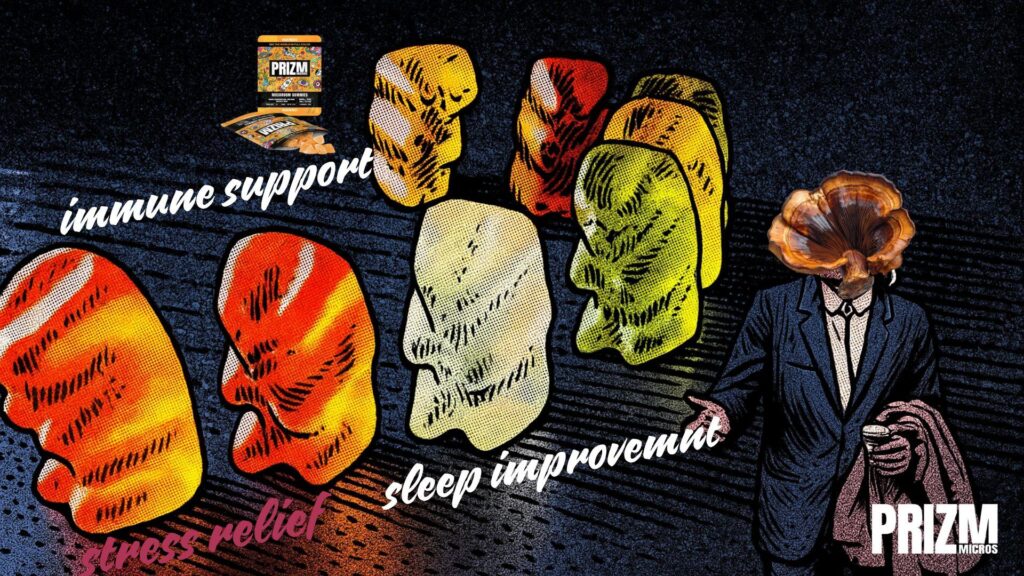
Reishi gummies are adaptogenic supplements designed to support stress relief, deeper sleep, immune health, and mood balance. They work gradually by modulating cortisol levels and enhancing the body’s resilience, without causing drowsiness or psychoactive effects. What Do Reishi Gummies Actually Do? A Functional, Feel-Good Guide If you’re here, you’re probably wondering: What’s the big deal with Reishi gummies? Are they legit or just another trendy “natural” thing that ends up collecting dust in your wellness drawer? Let’s cut the fluff. Reishi (that’s Ganoderma lucidum, for the mycology nerds) isn’t new. It’s been a staple in Eastern medicine for centuries, used for stress, sleep, and longevity. But the gummy format? That’s the 2020s twist we love: no bitter teas, no chalky capsules, just functional, snackable support for your mood, mind, and immune system. In this article, you’ll learn: What makes Reishi such a powerhouse (and why your body might thank you) What Reishi gummies do differently (hello, taste and timing) How to know if they’re working, and what to watch out for Why PRIZM built theirs for chill, not placebo Whether you’re looking for better sleep, a calmer vibe, or just tired of chasing caffeine highs that crash, we’ll break down the science, the real-world experiences, and how to make Reishi work for you. Let’s get into it. The Core Benefits of Reishi Gummies (and Why People Swear by Them) So, what do Reishi gummies actually do? Here’s the short version: they help your body chill, recover, and stay balanced. Think of Reishi as nature’s calm-down button, but one that works overtime behind the scenes on your stress levels, immune system, and even sleep cycle. Stress Less, Chill More Reishi is an adaptogen, which means it helps your body adapt to stress, physical, emotional, or environmental. Instead of numbing you out, it subtly smooths the edges of anxiety by regulating your cortisol levels and supporting your HPA axis (that’s your stress response system). Users often describe the vibe as “calm but clear,” not sedated. Sleep That Actually Works Many people take Reishi in the evening to wind down. It’s not a knockout punch like melatonin—it’s more of a nervous system whisper. Reishi interacts with GABA pathways in your brain to promote a deeper, more restful sleep. Some folks even report vivid dreams (we’ll get into that later), but for most, it means falling asleep faster and waking up less groggy. Immune System MVP Reishi’s polysaccharides and triterpenes are immune modulators. Translation? They don’t “boost” your immune system like a sugar rush. They help balance it, ramping up defenses when needed and calming inflammation when it’s not. For those who get sick often or feel run-down, this steady support can be a game-changer. Other Hidden Bonuses Mood stability: Many users notice more emotional balance over time, less up-and-down, more grounded energy. Energy without the crash: Reishi offers what some call “subtle, sustained energy.” It’s not like coffee; it’s clarity without the jitters. Liver & blood sugar support: Early research links Reishi to improved liver detox and blood glucose regulation, bonus points if you’re balancing carbs or cutting sugar. Skin & gut health: Thanks to its anti-inflammatory profile, some users see clearer skin and calmer digestion over time. Bottom line? Reishi gummies don’t just make you feel chill, they quietly support your whole system, helping you show up more fully, day after day. And when taken daily, the benefits start stacking. How Reishi Gummies Work (and Why the Gummy Format Matters) Let’s talk mechanics, without going full lab coat. Reishi works through a mix of bioactive compounds: polysaccharides (immune modulating), triterpenes (anti-inflammatory), and beta-glucans (cellular defense). These interact with your body’s stress, immune, and sleep systems to restore balance. But none of it matters if your body can’t absorb them, which is where the format makes a big difference. “Reishi’s benefits aren’t just anecdotal. A 2020 review in the Journal of Ethnopharmacology highlighted its potential to modulate the immune system and reduce fatigue through bioactive compounds like triterpenes and polysaccharides. We formulate with these findings in mind, backed by science, not just stories.” Why Gummies Beat Capsules and Powders (Sometimes) Faster absorption: Gummies begin breaking down in the mouth and stomach, offering more efficient uptake of Reishi’s actives, especially if they use dual-extraction (alcohol + water) for both triterpenes and polysaccharides. No taste aversion: Reishi powder is famously bitter (like dirt and espresso had a baby). Gummies bypass the taste completely, making daily use enjoyable, not a chore. Convenient + precise dosing: Each gummy is pre-measured, eliminating the guesswork of scoops or droppers. For busy users, this consistency is a game changer. What “Good” Reishi Gummies Are Made From Not all Reishi is created equal. The gold standard? Fruiting body extract (not mycelium on grain) Dual-extracted (water + alcohol to unlock full spectrum of benefits) Standardized beta-glucan and triterpene content Pectin-based (not gelatin) and free from artificial colors or flavors If a product doesn’t mention these? It’s probably not strong enough to do anything noticeable, aside from lightening your wallet. Why PRIZM Does It Differently At PRIZM, we’re obsessed with experience and efficacy. Our Reishi gummies aren’t just functional—they’re flavorful, bioavailable, and third-party tested to back the buzz. Every dose is dialed for daily calm, crafted with the same care we put into every PRIZM blend. Legal doesn’t mean lame—and this is how we prove it. What Reishi Gummies Actually Do (And Who Feels It Most) Let’s get to the big question: what do Reishi gummies actually do for your body and brain? Here’s the short answer, they help you feel more balanced, less stressed, and better rested. But the long answer? That’s where things get good. Stress Reduction Without Sedation Reishi is one of the most trusted adaptogens in traditional Chinese medicine—known for modulating the HPA axis (that’s the stress control center in your body). Helps regulate cortisol levels Promotes calm without drowsiness Smooths emotional highs and lows, especially during intense weeks This makes it
High Potency Mushroom Gummies | Legal. Lab-Tested. PRIZM.
High potency mushroom gummies pack a punch with concentrated functional extracts like Lion’s Mane or Cordyceps—1,000mg+ per bite. For real results (and no B.S.), look for fruiting body, beta-glucan stats, and legit third-party lab tests. Built for vibes. Backed by science. What Does “High Potency” Actually Mean in Mushroom Gummies? Let’s cut through the buzzwords. “High potency” gets tossed around like glitter at a festival, but what does it actually mean when it comes to mushroom gummies? It’s More Than Just Milligrams First things first: a gummy that brags about having 2,000mg of mushrooms sounds impressive… until you realize it might be 90% filler mycelium grown on grain. What matters isn’t just the number, it’s what’s in it. Fruiting Body vs. Mycelium: Fruiting body (the part you’d actually see in the forest) contains more of the good stuff, think beta-glucans and triterpenes. Mycelium on grain? Often cheaper, weaker, and padded with starch. Extract Ratios: A “10:1 extract” means 10 parts mushroom were used to make 1 part extract. But without context, it’s just math. What you really want is a ratio plus a breakdown of active compounds per serving. At PRIZM, we source concentrated fruiting body extracts only, no mycelium filler, no grain fluff. Because “high potency” should mean something real. Potency = Bioactive Compounds, Not Marketing Lingo Most people chasing “high potency” are really chasing results: sharper focus, deeper flow, better mood. That means the true markers of potency are compounds like: Beta-glucans (immune support) Triterpenes (anti-inflammatory, adaptogenic effects) Hericenones & Erinacines (Lion’s Mane’s cognitive kickstarters) If your gummy doesn’t list these, or hides behind a “proprietary blend,” you’re in the dark. Don’t Get Dosed by Vague Labels Here’s where things get murky. Brands love to say “high potency,” but: Rarely specify if the mg count includes active compounds Don’t show batch-specific lab tests Avoid clarity on extraction methods (dual? hot water? alcohol?) The Benefits (and Limits) of Going High Potency So you’re here for the big boost. Maybe it’s mental clarity, maybe it’s creative ignition, or just trying to feel like your brain’s firing on all cylinders again. Let’s talk about what high potency mushroom gummies can actually do for you, and where the hype stops. Stronger Effects, If You Know What to Look For A genuinely potent gummy delivers more than just milligrams; it delivers noticeable shifts in how you think, feel, and function. Focus & Flow: Lion’s Mane, when concentrated and dosed right, can feel like brain yoga. Not trippy, just tapped in. Energy That Doesn’t Crash: Cordyceps in high doses boosts ATP production, giving you natural lift without the post-caffeine nosedive. Mood Support: Reishi, when properly extracted, doesn’t just calm, it can help re-center you without sedation. But here’s the thing: too many brands stack these adaptogens in “kitchen sink” formulas without explaining how they interact. PRIZM’s blends are dialed. One for focus. Two for flow. Three if you’re feeling bold. Timing Matters with Multi-Mushroom Blends Ever taken a gummy with Reishi (sleepy vibes) and Cordyceps (go-go-go) in the same chew? That’s a common stacking fail. We design PRIZM formulas with intentional use cases: Daytime gummies built for alertness and motivation Night blends tuned for decompression and mental softening No confusing cross-signals, no weird energy crashes The Ceiling Is Real High potency isn’t a free pass to megadose. More doesn’t always mean better, and with certain mushrooms (especially in concentrated form), too much can mean: Stomach upset Unintended drowsiness Interaction with meds like SSRIs That’s why PRIZM keeps dosages clear and predictable, so your experience stays smooth, whether you’re microdosing solo or vibing at a festival. How to Verify Potency & Spot Red Flags “High potency” sounds sexy—until you realize most brands throw it on the label without showing their work. Here’s how to cut through the BS and find out if your mushroom gummy actually delivers what it promises. What Actually Defines High Potency? There’s no FDA checklist for “potent,” which means shady brands get creative. But legit products show their cards: Total Extract Milligrams: Look for 1,000mg or more per gummy, but check what it’s made from. Fruiting body extract? Good. Mycelium on grain? Meh. Extract Ratios: 10:1 or 20:1 sounds intense, but unless the source and standardization are clear, it could be puffed-up marketing. Beta-Glucan Content: This is the real immune-support workhorse. If a brand isn’t listing beta-glucans by percentage, they’re not talking real potency. PRIZM lists actives clearly, because if you’re trusting us with your brain, you deserve the full picture. Certificates of Analysis (CoAs): The Gold Standard No CoA? No go. Batch-specific lab results should be visible and easy to find. A legit CoA shows: Active compound levels (like beta-glucans or triterpenes) Contaminant screening (mold, heavy metals, microbials) Verification of absence of illegal substances like psilocybin (yep, that’s a thing with knockoffs) We post ours. Every batch. Every time. Red Flags to Watch Out For Want to know if a brand’s playing games? Look for these: Vague blends (“proprietary mushroom mix” with zero breakdowns) No lab links or just generic “third-party tested” claims Wild wellness promises (like “heals anxiety” or “reverses aging,” illegal and misleading) Sketchy branding that mimics psychedelics, if it looks like a rave poster but says it’s legal, walk away. Legal vs. Illicit: Clearing Up the Confusion Let’s set the record straight, because “high potency” shouldn’t leave you wondering if you’re about to see colors in your carpet. Functional ≠ Psychedelic Functional mushrooms like Lion’s Mane, Reishi, and Cordyceps are non-psychoactive, 100% legal, and all about performance, not trips. Psychedelic mushrooms, think psilocybin, Amanita muscaria, are federally illegal and carry real legal risk. Some knockoff brands blur the line with edgy packaging or trippy names. That’s not just confusing, it’s dangerous. Bottom line? If it’s legal, it shouldn’t be psychedelic. And if it’s trippy, it’s not legal. What “High Potency” Is Not We’ve seen brands toss “high potency” on products with psychoactive undertones. Don’t fall for it. No Psilocybin: That’s a Schedule I substance. No
Are Adaptogenic Mushroom Gummies Legal in 2025?

Yep, they’re legal, if done right. Adaptogenic mushroom gummies made from non-psychoactive fungi like Lion’s Mane or Reishi are supplement legit. No trips, no DEA flags. Just make sure it’s clean, clearly labeled, and not some sketchy blend hiding behind buzzwords. Adaptogenic Mushroom Gummies Are Everywhere, But Are They Legal? You’ve seen the buzz. Adaptogenic mushroom gummies are lining wellness shelves, TikTok feeds, and online carts faster than you can say “Lion’s Mane.” They promise focus without the fog, energy without the jitters, and calm without the crash. But there’s one question that lingers under all the hype: Are adaptogenic mushroom gummies actually legal? The short answer: Yes, mostly. But the long answer is where it gets interesting and important. These gummies fall into a unique legal zone. They’re not drugs. They’re not candy. They’re dietary supplements, sometimes. Other times, they straddle the line between functional food and nootropic stack. And depending on what’s inside (and how it’s labeled), that line can shift fast. If you’re here, you’re probably one of two people: A wellness-first consumer trying to feel better without crossing a legal boundary Or a brand builder trying to launch something smart, safe, and compliant Either way, this guide is for you. Let’s break down the legal reality of adaptogenic mushroom gummies—ingredient by ingredient, format by format, and state by state. Because “legal” shouldn’t mean “confusing.” What’s Actually in Adaptogenic Mushroom Gummies—And Why That Matters Legally Before we talk legality, we have to talk ingredients. Because when it comes to mushroom gummies, what’s inside dictates whether it’s a supplement, a functional food—or a regulatory headache. Here’s the core: most adaptogenic mushroom gummies are legal because they use non-psychoactive, well-known functional fungi like: Lion’s Mane (Hericium erinaceus) – for focus, memory, and mood Reishi (Ganoderma lucidum) – for stress and sleep support Cordyceps (Cordyceps militaris) – for energy and oxygen utilization Chaga, Turkey Tail, and Maitake – for immune and gut health All of these are legal for sale and consumption in the U.S. when used as dietary supplements. They’re Generally Recognized As Safe (GRAS) or commonly used in herbal products. But the legal gray zone shows up with what gets stacked on top: Is it made with fruiting body or just cheap mycelium on grain? Are cannabinoids like Delta-8 or HHC added? Is there muscimol from Amanita muscaria involved? Are vague proprietary blends hiding real psychoactives? For a gummy to be legally compliant and Shopify-safe, it needs to be clearly labeled, free from banned substances, and non-psychoactive in both intent and effect. That’s why at PRIZM, we don’t touch anything sketchy or unsourced, we’re legal, functional, and transparent on every label. Coming up next: the gummy-specific regulations that can make or break compliance. Because yes, format matters. Why Format Matters: The Legal Implications of Gummy vs. Capsule vs. Powder Here’s the curveball most supplement seekers (and even some sellers) don’t see coming: the format of your adaptogenic mushroom supplement can impact its legal treatment. Gummies may seem like a candy-coated delivery system, but to regulators, they raise different flags than capsules or powders. Why Gummies Get More Scrutiny Look-alike risk: Gummies resemble edibles, especially THC products. That visual similarity can trigger stricter oversight, especially in states with cannabis regulations. Marketing & appeal: Bright packaging, candy flavors, and “mood-enhancing” claims attract attention from both consumers and watchdogs (think FDA, FTC, and state attorneys general). Dosage masking: It’s easier to hide psychoactive ingredients or overhype adaptogenic effects in a sweet base without proper disclosure. Capsules & Powders Fly Under the Radar, But Aren’t Immune While capsules and powders still require accurate labeling and safe formulation, they’re less likely to be confused with recreational drugs. As a result, they’re treated more like traditional supplements. But here’s the key: the ingredients determine legality, not just the format. For Brands, the Gummy Format Brings These Added Compliance Must-Haves: Exact active dosing (e.g., 500mg Lion’s Mane 10:1, not just “blend”) Childproof packaging if there’s even a hint of psychoactivity No claims that imply a drug-like or euphoric effect Label language that clearly differentiates from cannabis edibles What Makes a Mushroom “Adaptogenic” and Why That Legal Label Matters “Adaptogenic” sounds like a wellness buzzword, and it kind of is. But it’s also a legally meaningful distinction that helps separate mushroom gummies from regulated drugs or psychoactive substances. So What Is an Adaptogen, Legally Speaking? In the supplement world, adaptogens are defined as natural substances that help the body resist stressors, without altering consciousness or acting like a drug. The key? They’re supportive, not stimulatory. Restorative, not intoxicating. To be considered an adaptogen, a mushroom must: Be non-toxic at normal doses Help restore homeostasis (balance in stress response, mood, immune function) Act in a nonspecific way (i.e., support multiple systems, not just one) This definition is crucial when it comes to legal interpretation and regulatory safety. Which Mushrooms Fit the Adaptogenic Bill? Lion’s Mane – Supports neurogenesis and mood balance via NGF stimulation Reishi – Balances cortisol, enhances immunity, and promotes sleep Cordyceps – Boosts oxygen efficiency and energy metabolism Chaga – Antioxidant powerhouse with gut and immune benefits Turkey Tail – Supports immune modulation and microbiome balance Maitake – Helps regulate blood sugar and immune response These mushrooms are not classified as drugs because they don’t alter perception or trigger dependency, and that’s what keeps them legal in supplement form. Where Legal Lines Get Blurry If a product contains: Unregulated psychoactives (e.g., Delta-8, muscimol) Claims like “elevated mood” or “psychedelic calm” Stacked stimulants that override adaptogenic subtlety …it can cross the line from wellness supplement into regulatory hot water. Why This Matters for Consumers and Brands Alike Using the term “adaptogenic mushroom gummies” isn’t just trendy—it’s a compliance strategy. It signals that the product is: Non-intoxicating Safe for daily use Designed to support—not hijack—your biology The Gummy Format: Delicious Delivery or Legal Distinction? Let’s talk form factor. A mushroom is a mushroom, right? Not quite—especially when it’s packed into a tasty little chew.